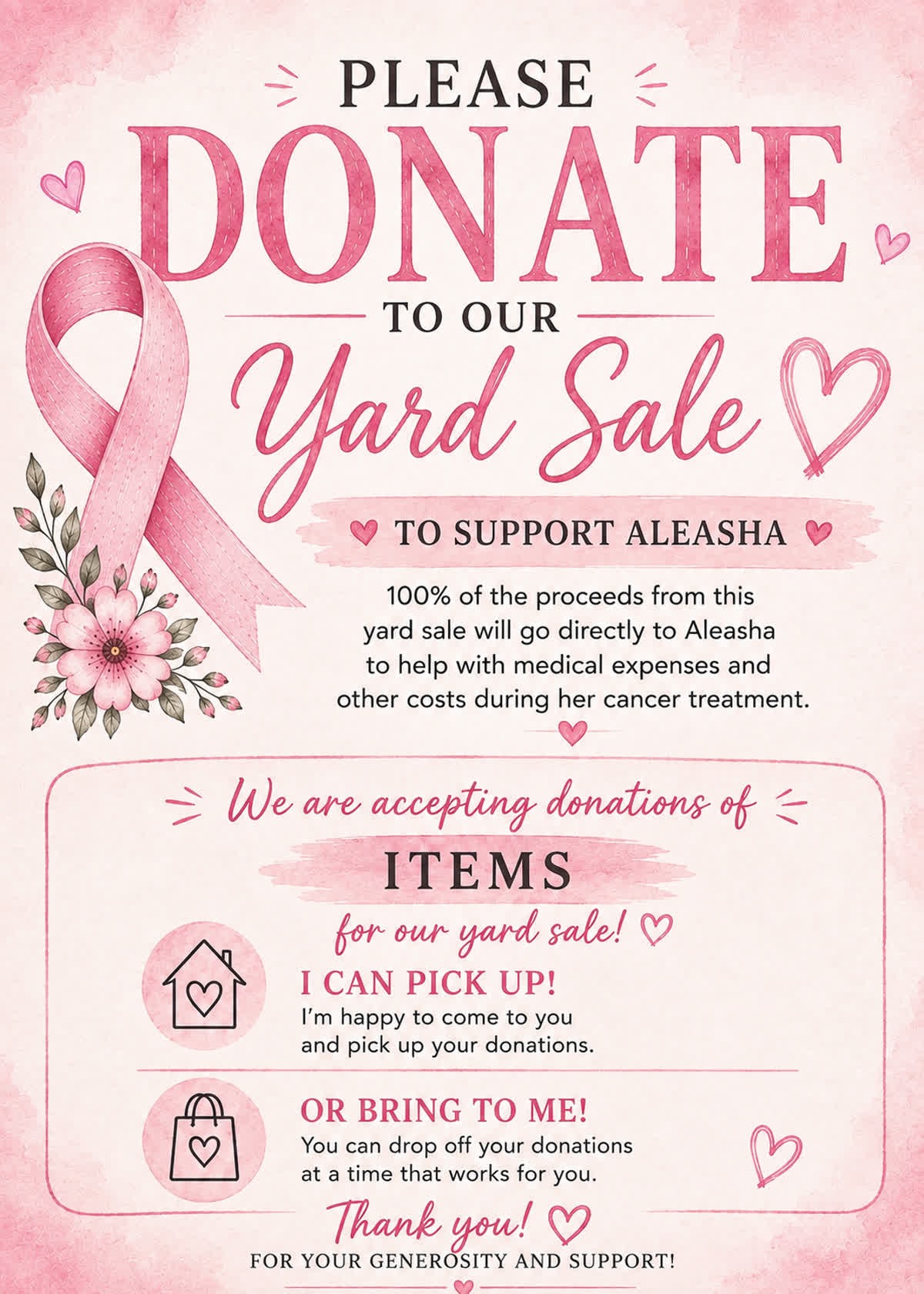
Community Yard Sale
Donating items for the yard sale. 100% of proceeds go directly to Aleasha. If you're local, email us for details.
One place for updates, ways to help, upcoming events, and the incredible community standing beside her through treatment.
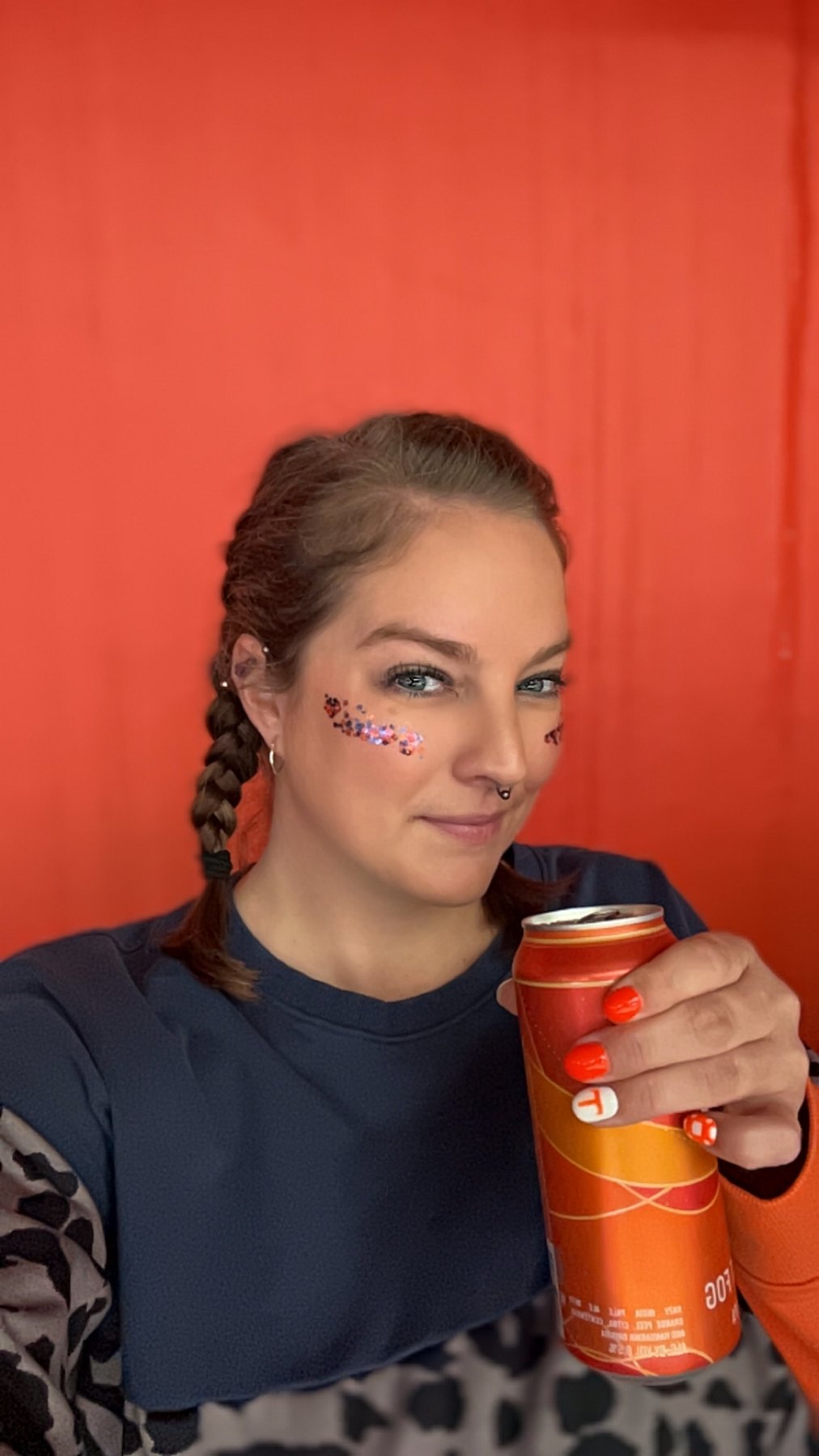
Her story
She is a daughter, a sister, a friend, a coworker. A vet tech, which is the kind of job you only take if you actually love animals and don't mind hard days. She lives with her mom and five cats who are unambiguously family rather than pets — including Ruthie Mae, who has spent this year learning to walk again.
The first half of 2026 was, by her own account, a good one. She moved in with her mama when she finally moved down, and got to celebrate her birthday with her. She rented a cabin in the mountains. She made it to the beach as a belated birthday gift to herself. She went to her first small-scale rodeo, saw the Savannah Bananas, and drove to Nashville with one of her besties to see Chase Rice and had a blast.
Then, in July, she found a lump. Six months after an annual exam where everything felt normal.
“Now this second half of my year is going to look a lot different. I got diagnosed with TNBC — triple negative breast cancer. It’s fast growing and aggressive. My team and I are moving as fast as we can to get ahead of it. So far it hasn’t spread yet and that’s truly a saving grace to know.” Aleasha, August 2026
She is clear-eyed about what's coming. She called it a long and brutal road, physically, mentally, and emotionally — and then, in the same breath, listed the people around her and said she doesn't think she could get through it without them.
“My sunrises and sunsets look different now, and I’m blessed to be able to see them. They’re much more special and beautiful.” Aleasha
This page exists so that the people who love her don't have to piece the story together from comment threads, and so that when you want to help, you know exactly what would actually help. That's it. That's the whole idea.
The road
This timeline grows as she does. Dates for anything ahead are estimates and will shift — treatment plans always do.
Aleasha had her annual exam. Everything looked and felt normal.
Six months after that clear exam, Aleasha felt something that hadn't been there before. She pushed to get it looked at. In her own words: you need to advocate for yourself.
Stage 1 triple-negative breast cancer — invasive ductal carcinoma. It's fast-growing and aggressive. It also had not spread, which changed everything about the road ahead.
Her team mapped the year: five months of chemotherapy, one month off, surgery, then five more months of chemotherapy. Long, but deliberate — and moving fast on purpose.
Chemotherapy is the main tool against triple-negative breast cancer. This is the longest and hardest stretch of the year, and where day-to-day help matters most.
A planned break between chemotherapy and surgery to let her body recover enough for the operation.
Most likely a double mastectomy with reconstruction. Details will be confirmed closer to the date.
Five more months of chemotherapy following surgery, to finish the job.
The part we're all working toward. This page will still be here for it.
Treatment updates
Newest first. If it's been quiet here for a while, that's usually good news — it means a normal week.
The first update will appear here.
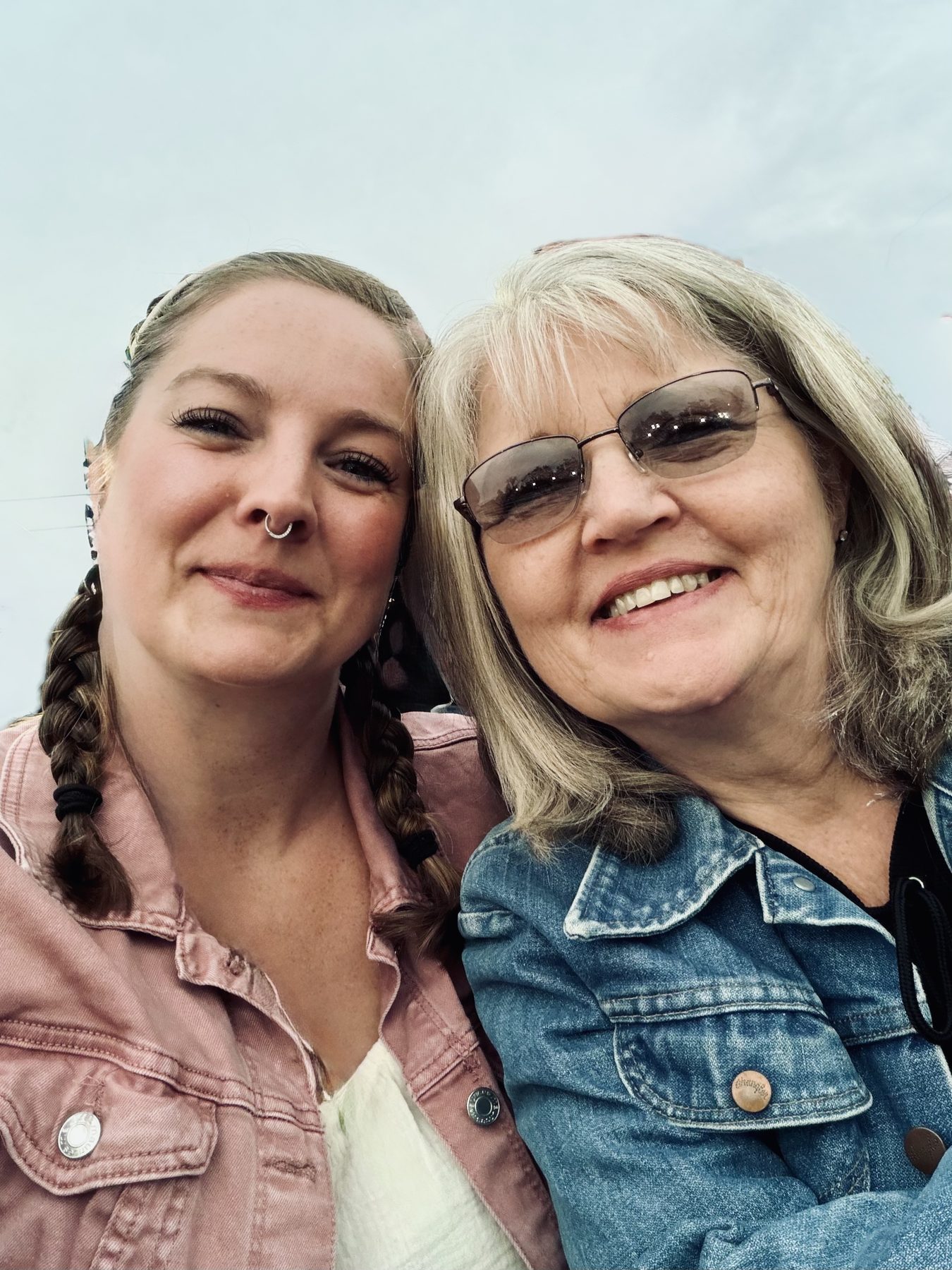
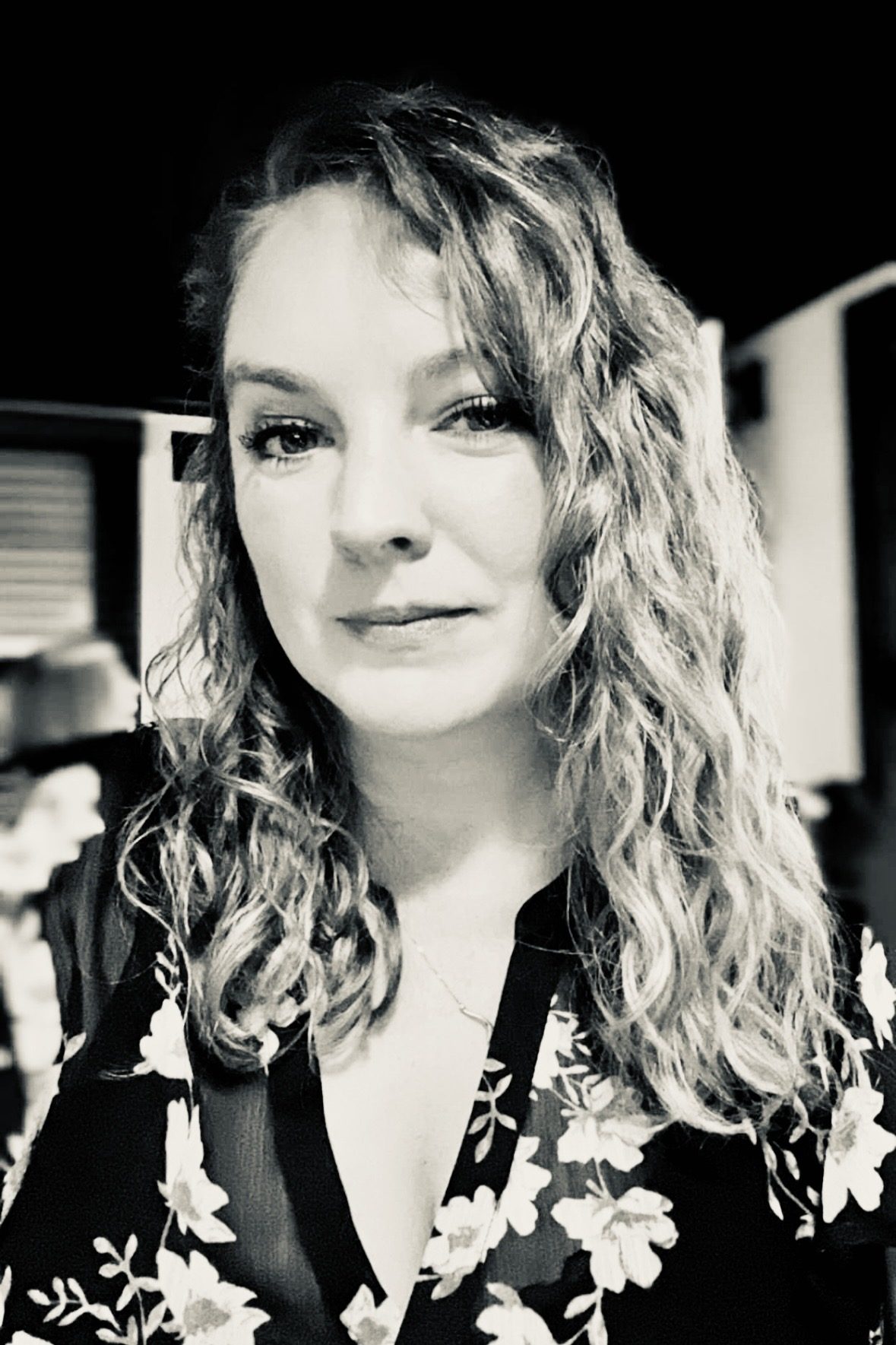
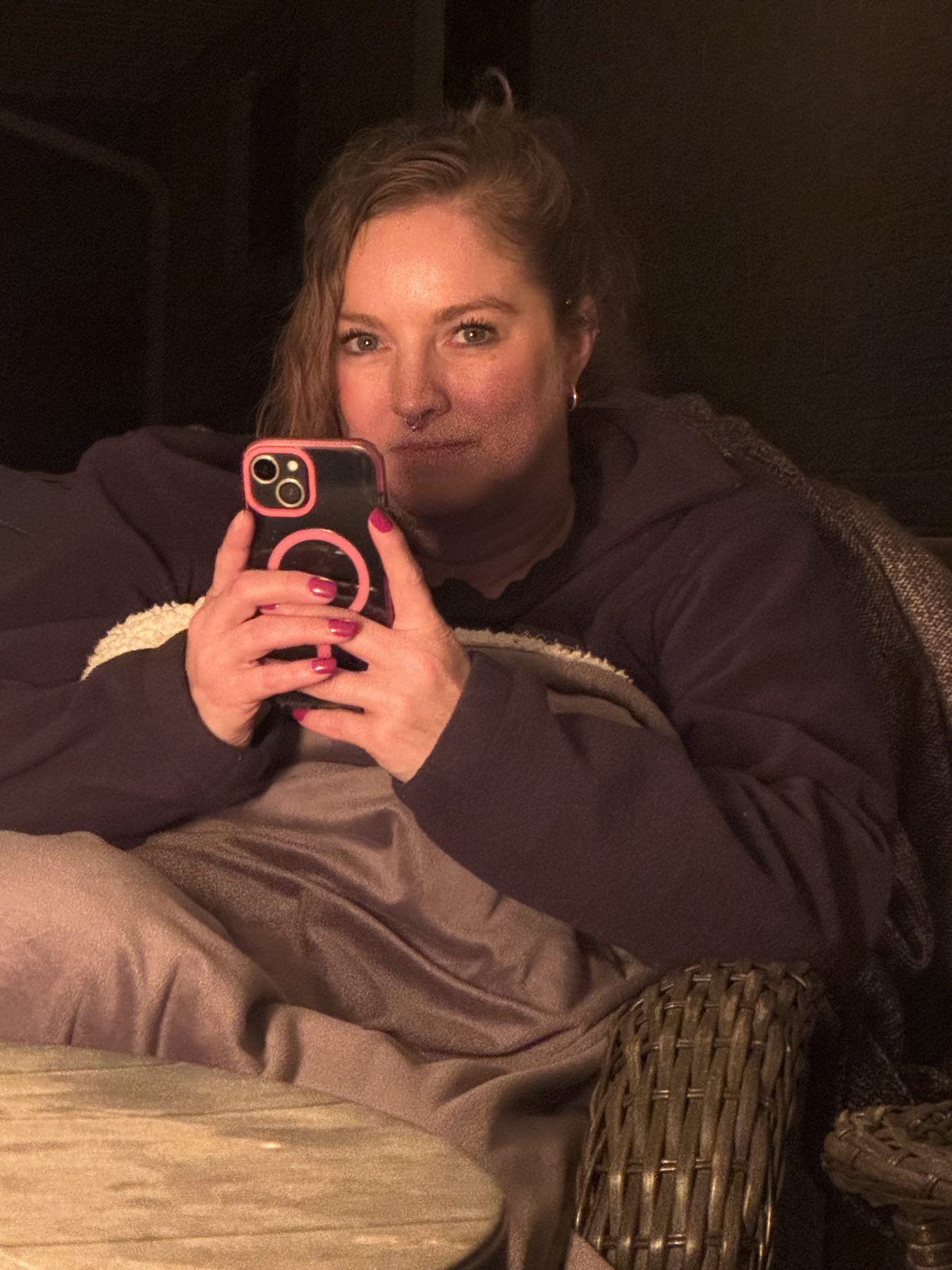
Photos
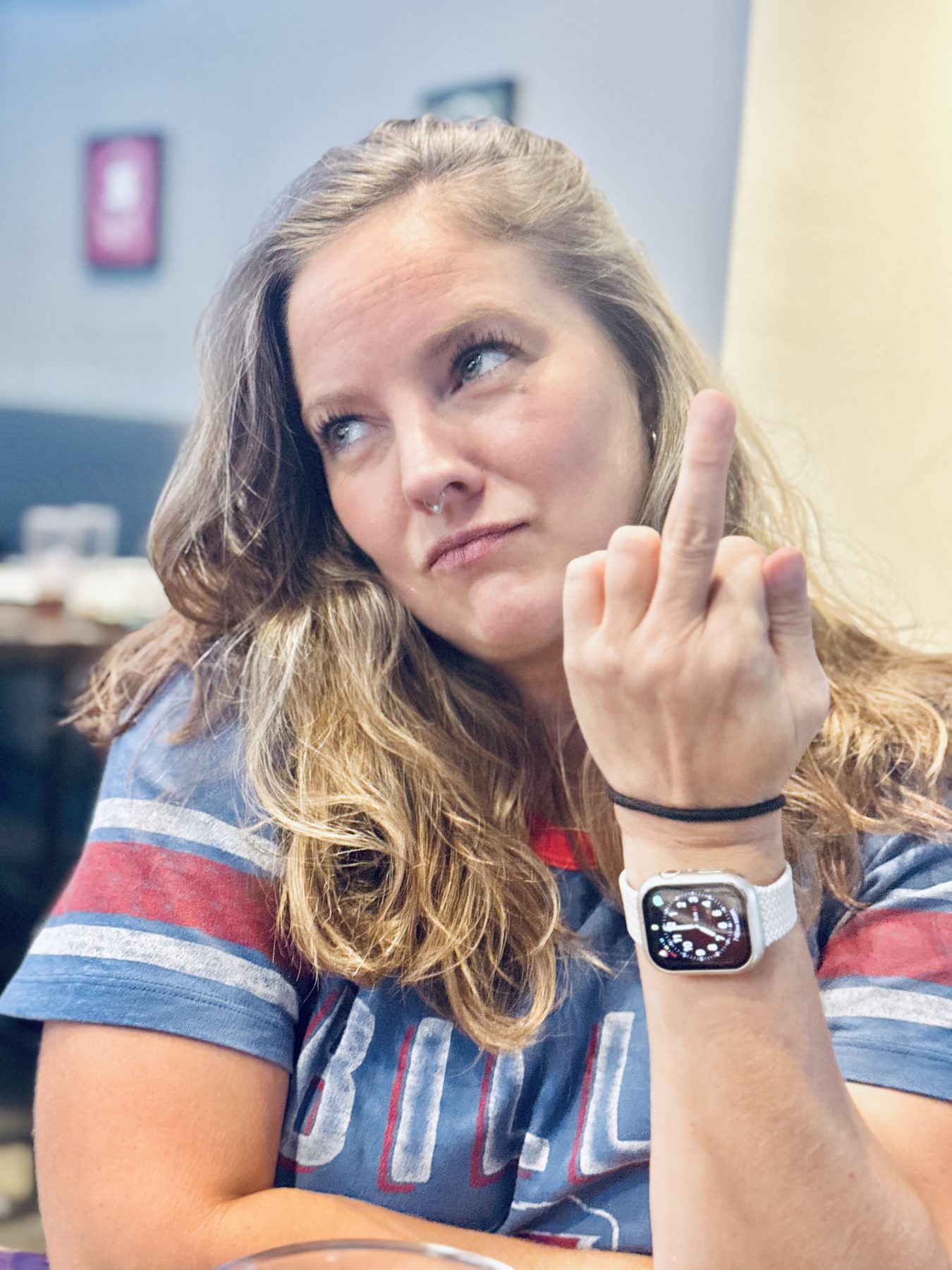
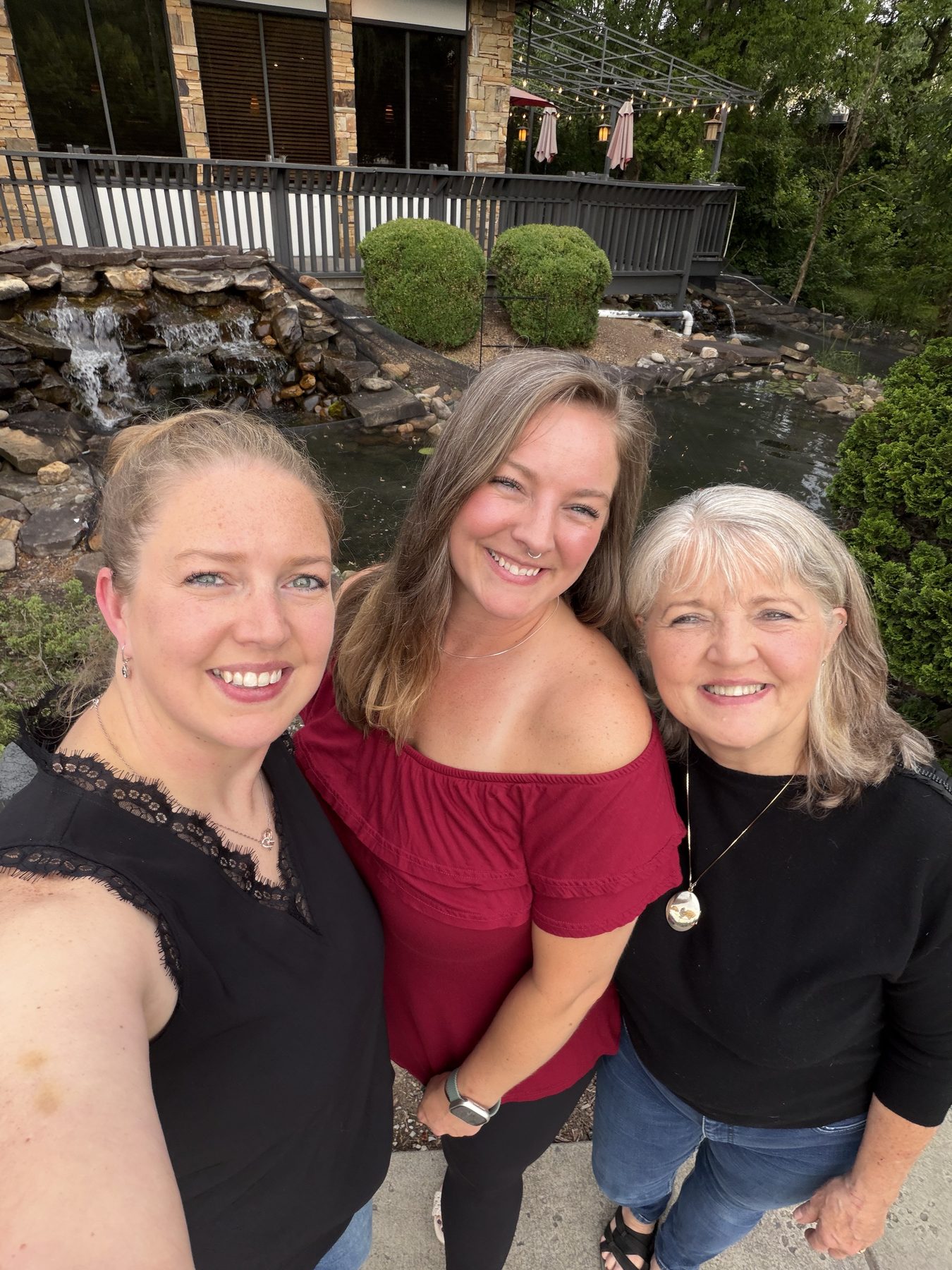
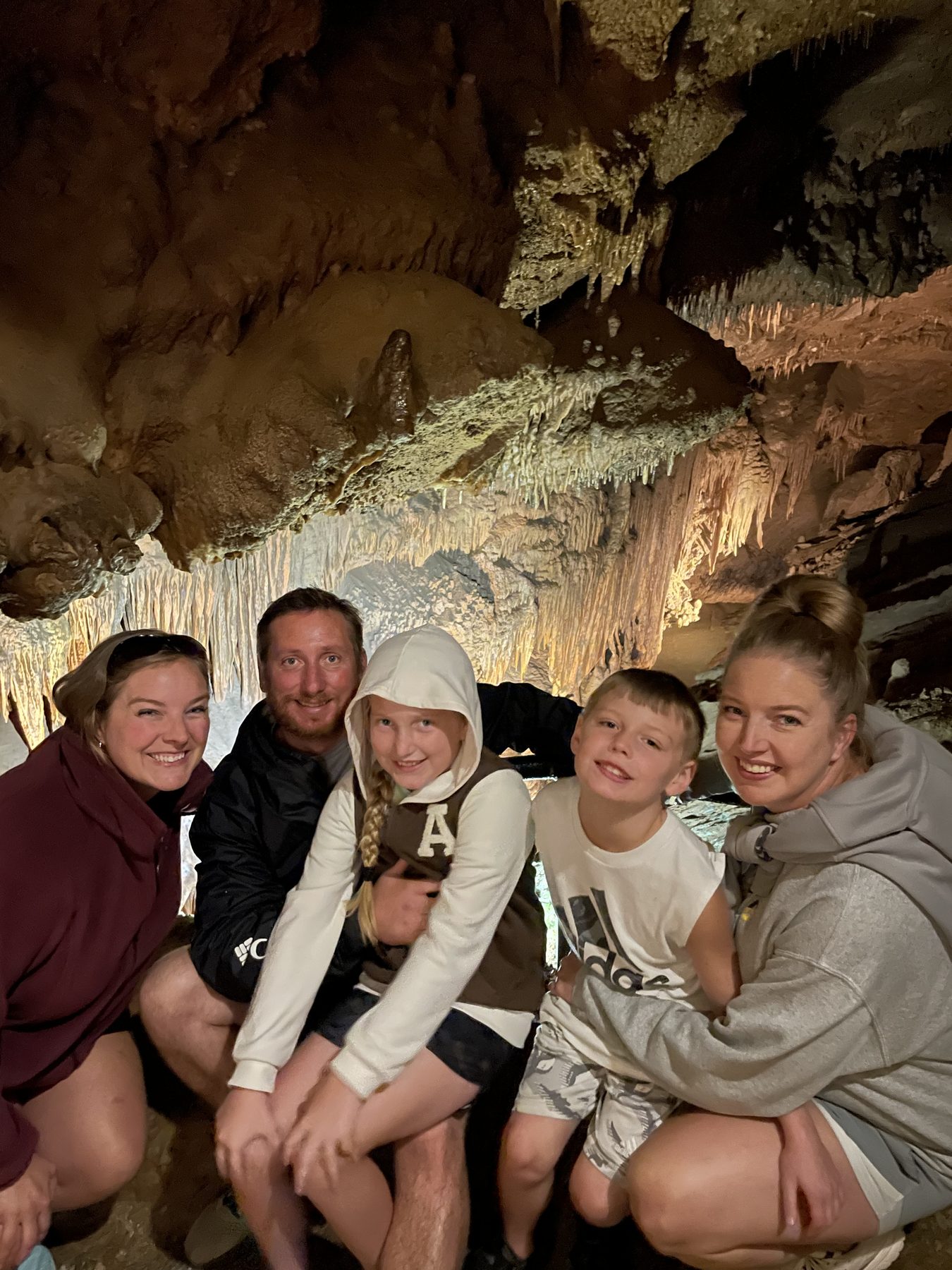
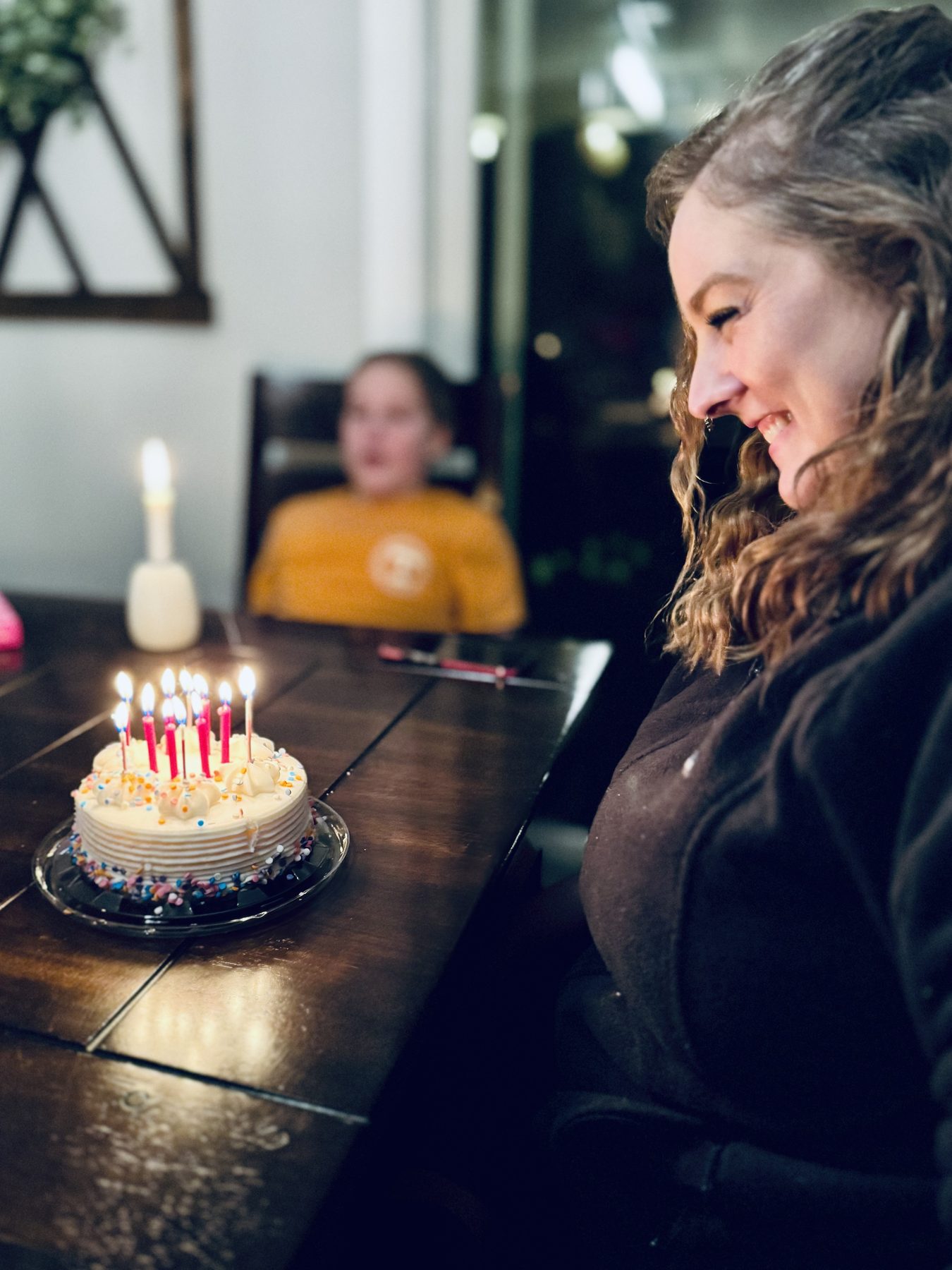
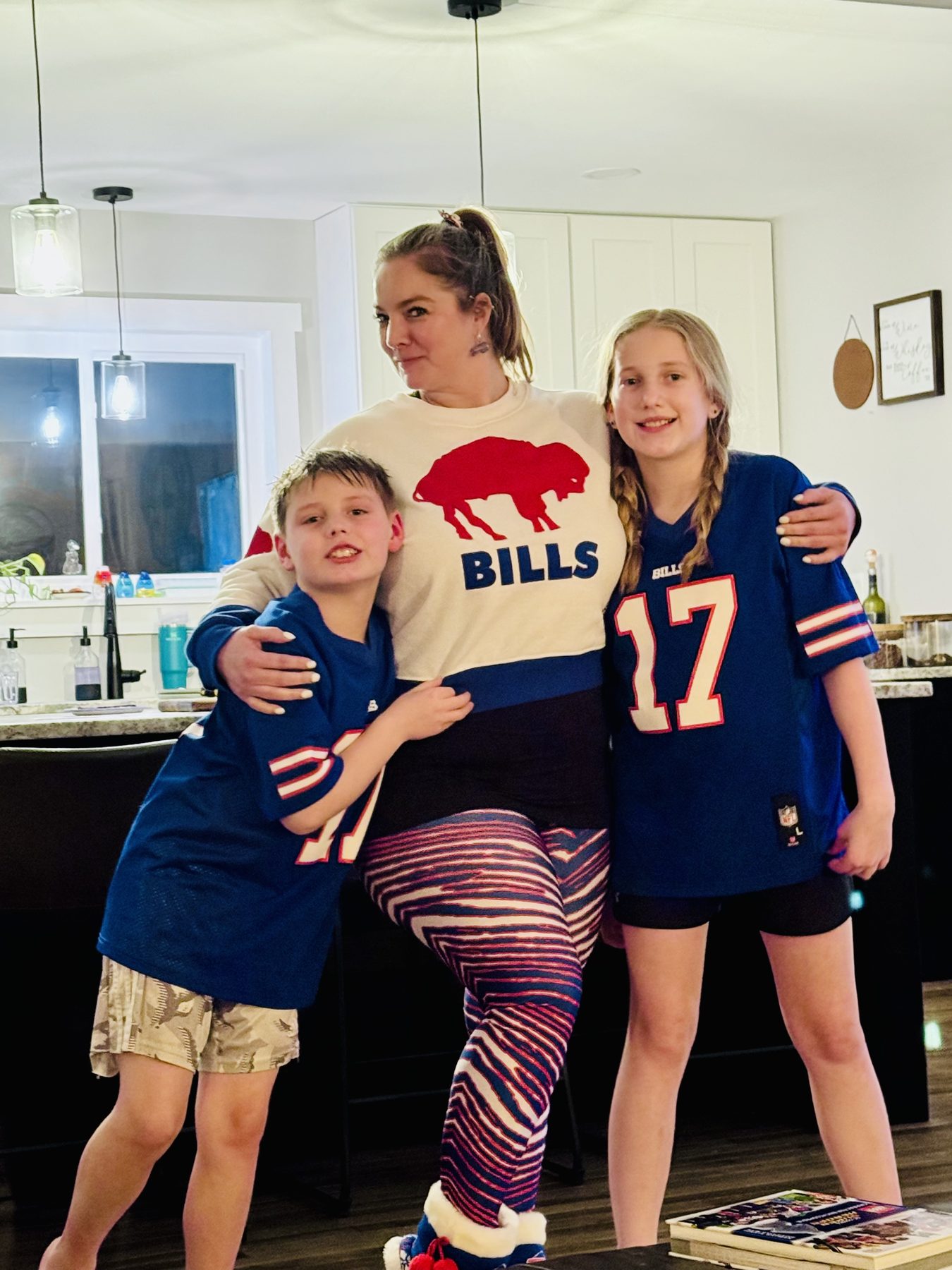
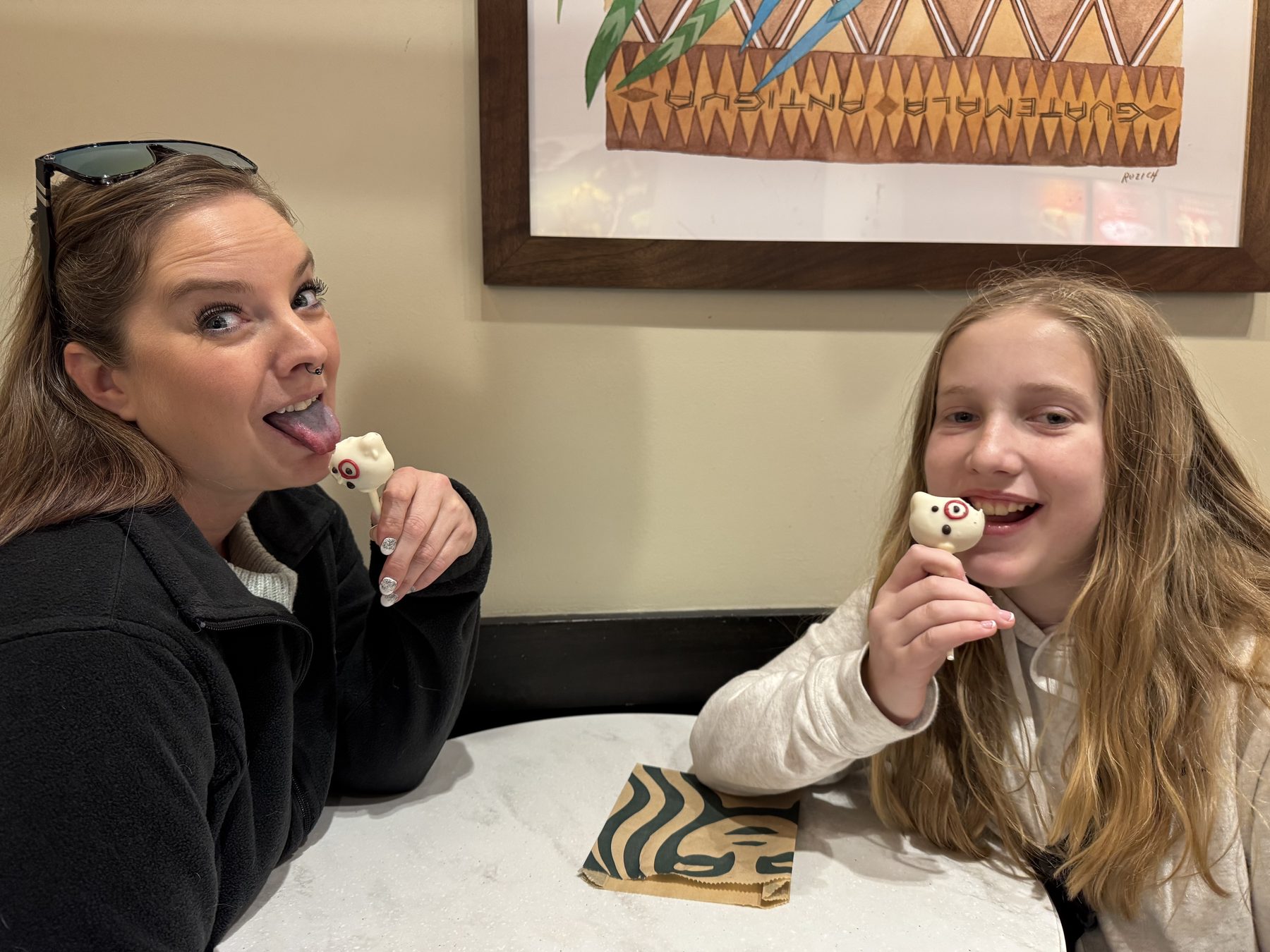
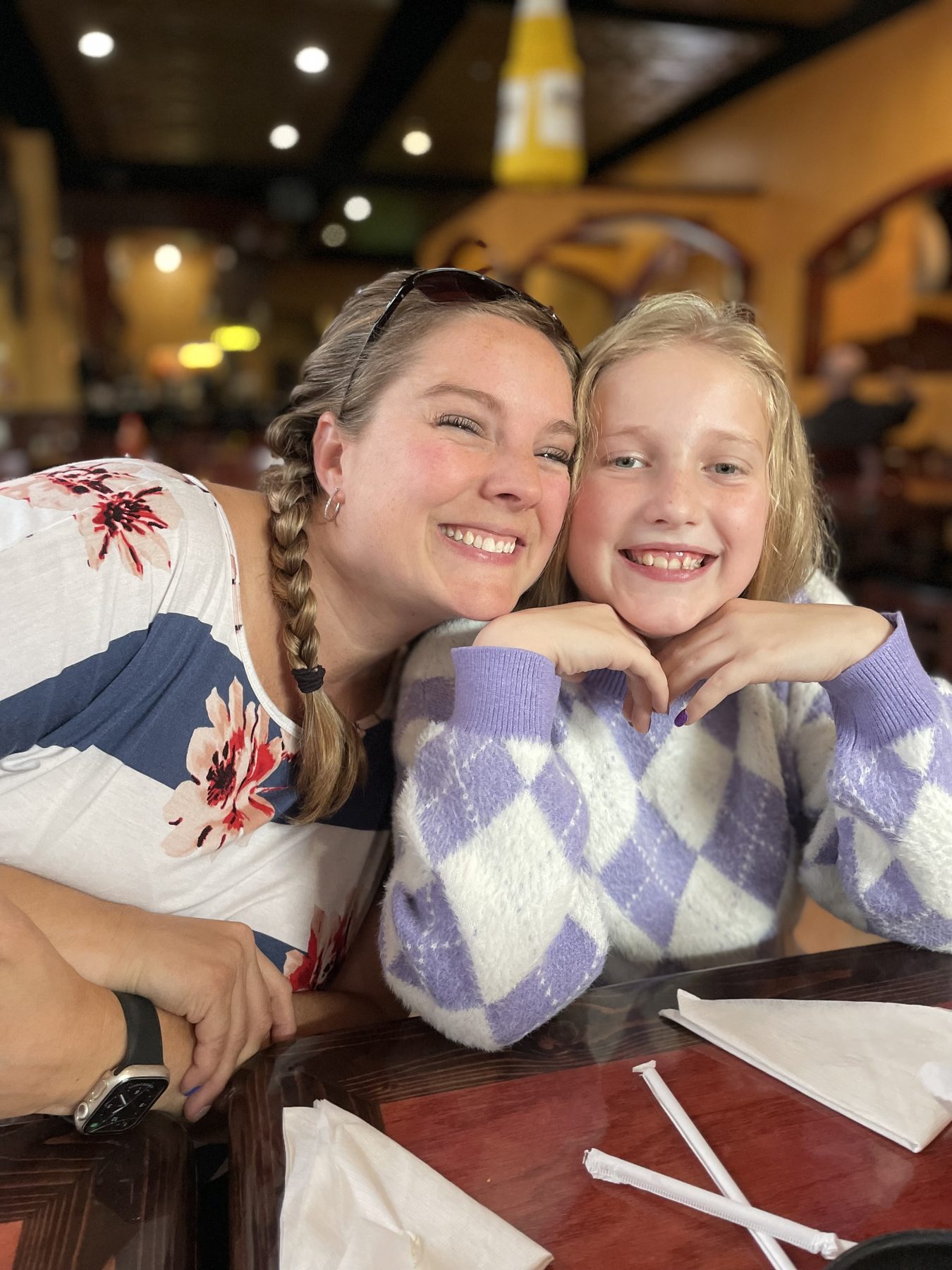
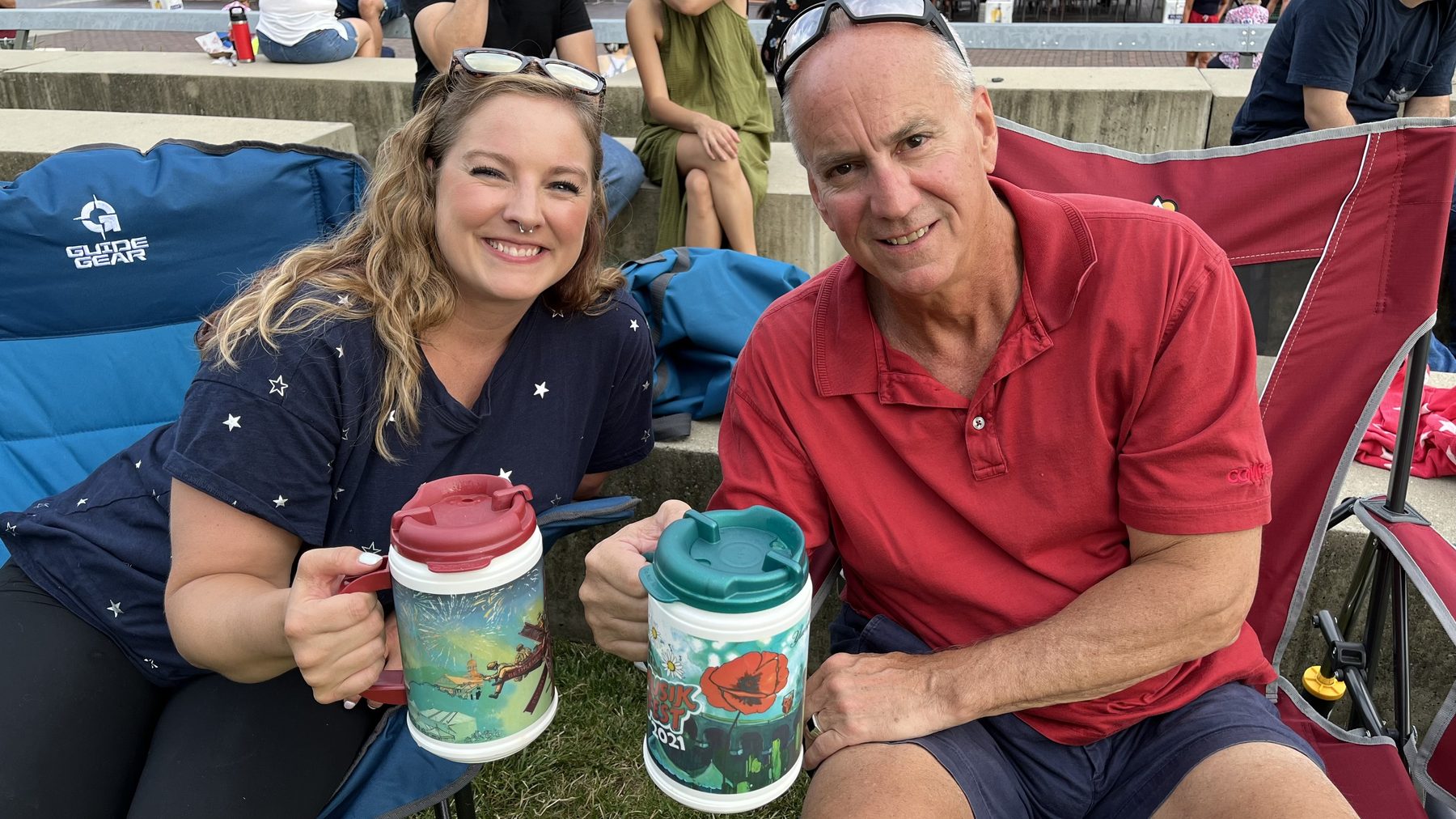
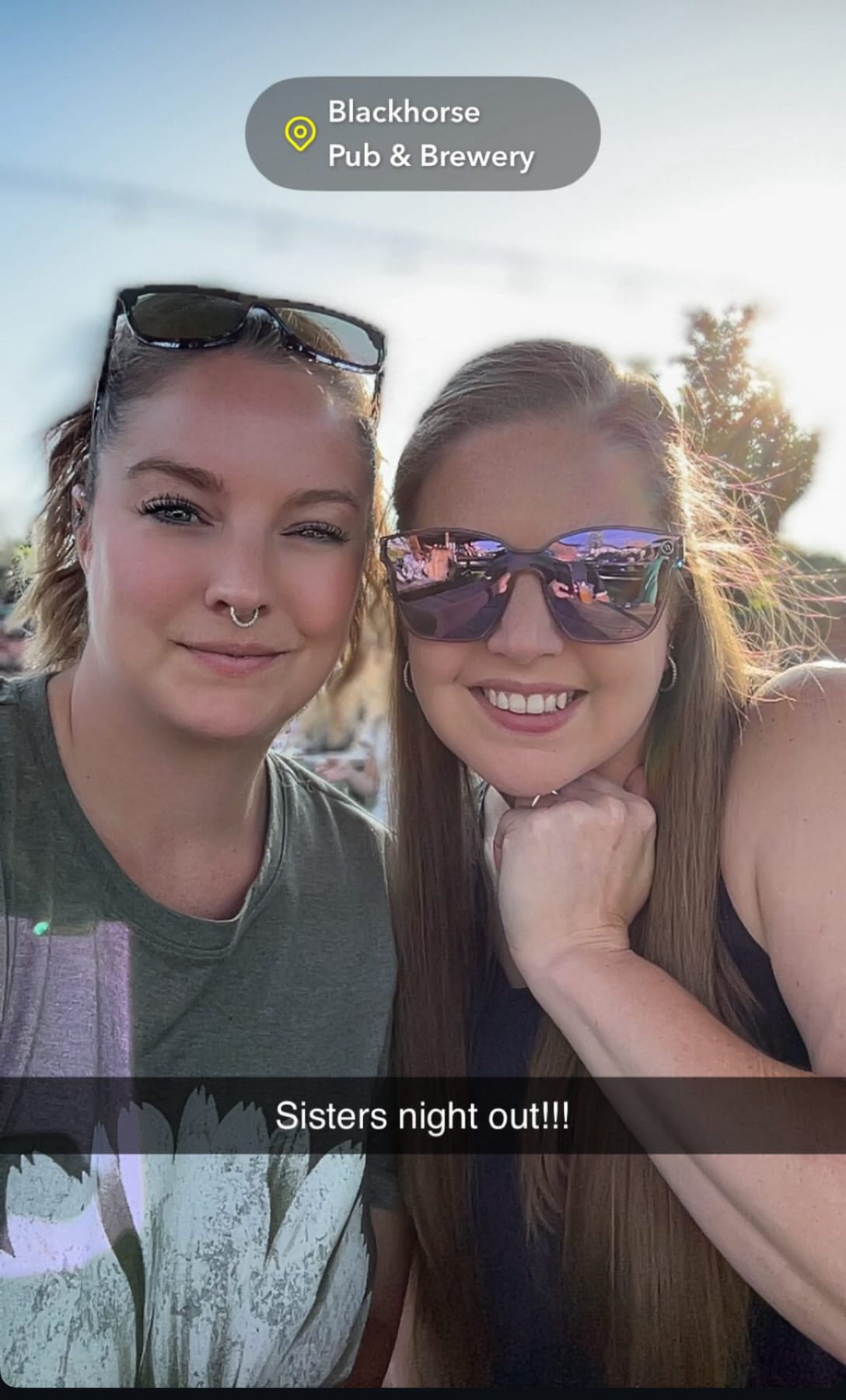
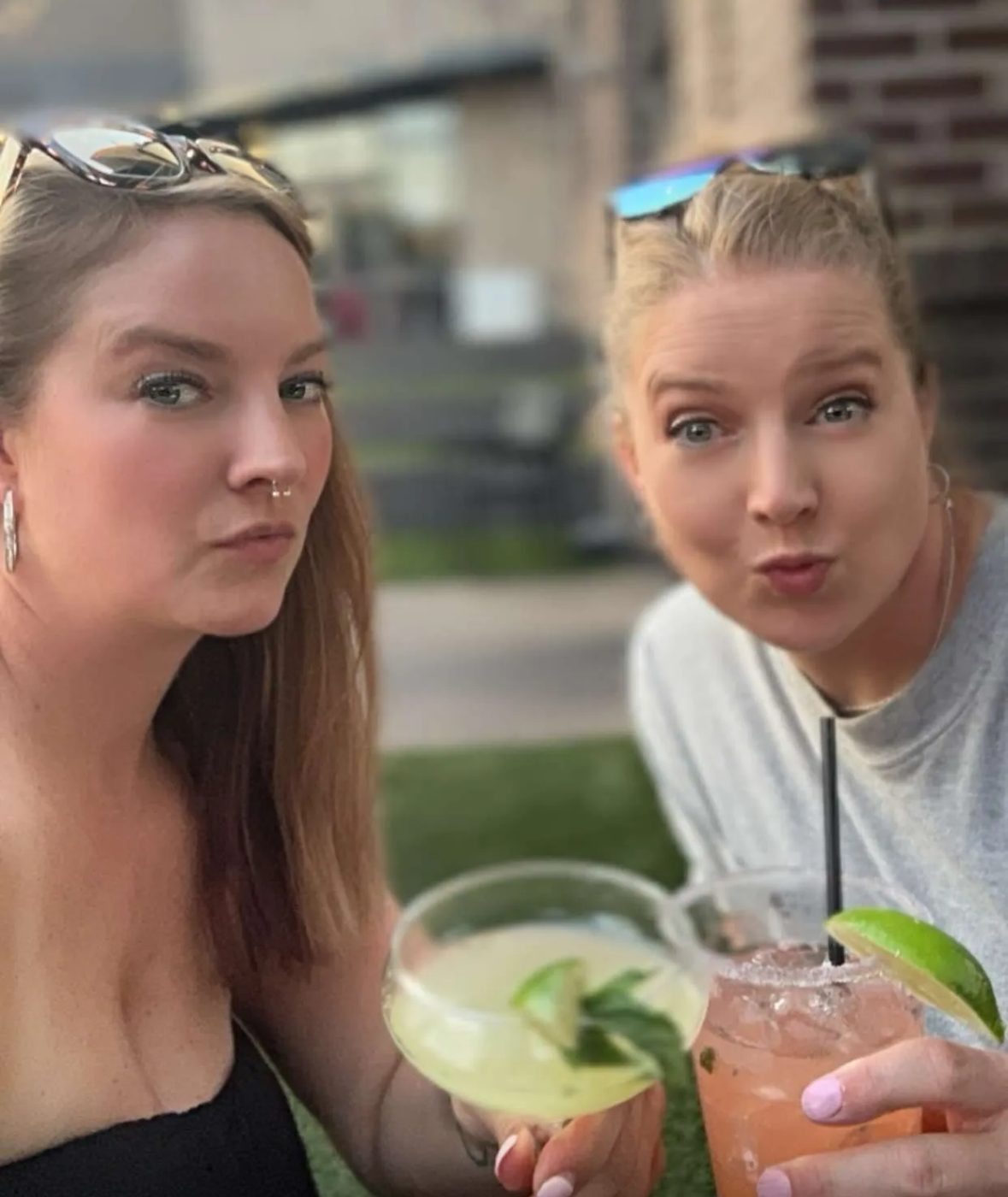
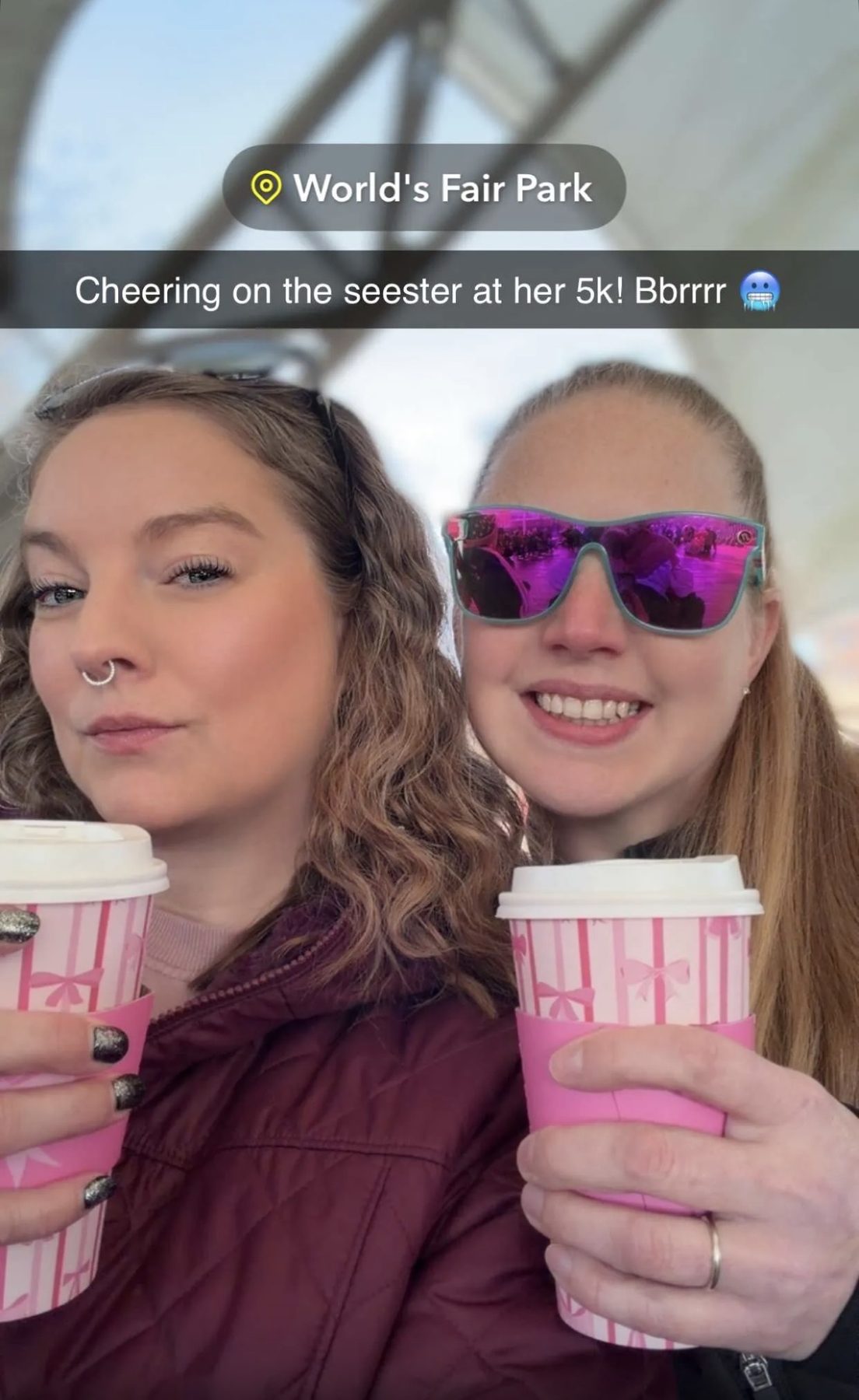
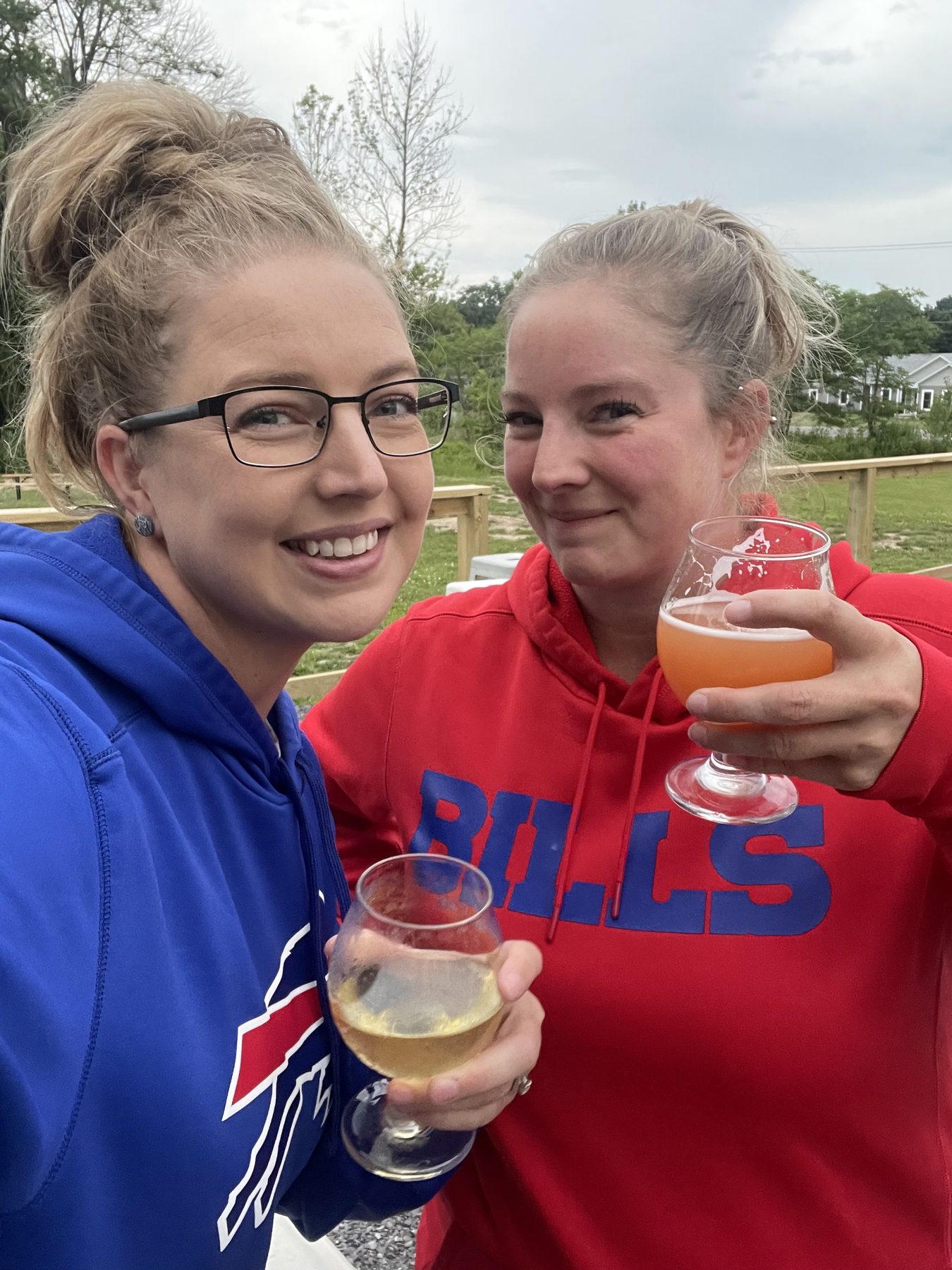
Start here
Not every act of kindness comes with a price tag. Some people bring dinner. Some send coffee. Some cover a prescription. Some leave a note that gets read on a bad afternoon. Every one of these counts.
Financial support
There is no pressure here, and no guilt. Plenty of people help in ways that have nothing to do with money, and that counts just as much.
Both go to the same place. Use whichever you already have on your phone — there's no difference at this end.
Gifts go toward treatment costs, travel to and from appointments, wages lost on treatment weeks, and keeping the household steady.
Money given here goes to Aleasha — treatment costs, travel to and from appointments, the wages she loses on treatment weeks, and keeping the household running. If you ever want to know where something went, just ask. You'll get a straight answer.
🌞 No pressure, ever
A few small things can make a hard day easier. A favorite snack, a cozy blanket, coffee, something the cats will immediately sit on. One list, kept current — these are things she's actually said she'd use.
Nothing here is expected. It's here so that when someone asks "what can I actually send?", there's a real answer instead of a guess.
Fundraisers
Every fundraiser gets its own card here. New ones get added as people dream them up.
Donating items for the yard sale. 100% of proceeds go directly to Aleasha. If you're local, email us for details.

Every archive box gives back. Every membership gives back. Both together and we give even more.

A limited edition box curated with love, strength, and a whole lot of heart. Launching this October.
Calendar
No events on the calendar just yet. Check back soon.
Encouragement
Messages are read before they're posted. She doesn't have to reply to any of them — that's rather the point.
Questions
Often yes — but please ask first rather than dropping by. Chemotherapy suppresses the immune system, so timing matters and some weeks are harder than others. One firm rule: if you are sick, have been around someone sick, or are getting over anything at all, stay home and send a message instead. It is not rude. It is the single most protective thing you can do for her.
Yes, and it helps more than almost anything. Check the Ways to Help section first — it lists what's actually needed right now so five people don't bring lasagna on the same Tuesday. Chemo changes how food tastes and what sits well, so preferences may shift week to week.
Yes. Businesses have donated raffle items, gift cards, services, and event space. Reach out using the contact email in the footer and we'll find a fit. Every business that helps gets a place in the Community Spotlight.
As often as there's something real to say — usually around treatment days and any time the plan changes. If it's been quiet for a while, that's usually a good sign, not a bad one. No news generally means a normal week.
Yes — but know that answering the same question thirty times a day is its own kind of exhausting. That's part of why this page exists. Check here first, then reach out with something specific: a memory, a photo, an offer to handle one concrete thing. Messages that don't need a reply are a gift.
It's breast cancer that tests negative for all three of the things doctors usually target: estrogen receptors, progesterone receptors, and the HER2 protein. Because those targets aren't there, hormone therapy and HER2 drugs don't work — which is why her plan leans so heavily on chemotherapy. There's a fuller explanation in the Understanding Her Diagnosis section.
Understanding her diagnosis
Plain language, no jargon. Knowing roughly what she's dealing with makes it a lot easier to know how to show up.
Most breast cancers are fed by one of three things: estrogen, progesterone, or a protein called HER2. Doctors test for all three, because each one is a target a drug can aim at. Aleasha’s cancer tested negative for all three — that’s the “triple” in triple-negative. It isn’t a measure of severity. It’s a description of what the cancer is missing.
No estrogen receptor means hormone therapy won’t work. No HER2 means HER2-targeted drugs won’t either. That removes two of the usual tools and leaves chemotherapy doing the heavy lifting — which is why her plan is chemo-heavy and runs so long. TNBC accounts for roughly 10–15% of breast cancers.
Giving chemotherapy first is standard for triple-negative breast cancer. It shrinks the tumor before the operation, and it lets the care team watch how the cancer responds to the drugs in real time — information they can’t get any other way.
It means the cancer was caught while it was still small and still local — it had not moved to the lymph nodes or beyond. Aleasha called that knowledge a saving grace, and she’s right to. Finding it early is the single biggest thing in her favor.
You don’t need the right words. Specific beats sympathetic every time: offer a ride on a named day, drop a meal, take something off her plate without asking her to manage it. And if you’re sick, stay home — that’s not distance, that’s protection.
This section is general education written for friends and family, not medical advice, and it is not a description of Aleasha's specific treatment plan. Every case is different. For anything real, talk to a doctor — the American Cancer Society helpline is 1-800-227-2345, 24 hours a day.
Resources
For anyone who wants to understand more, or who is walking a similar road themselves.